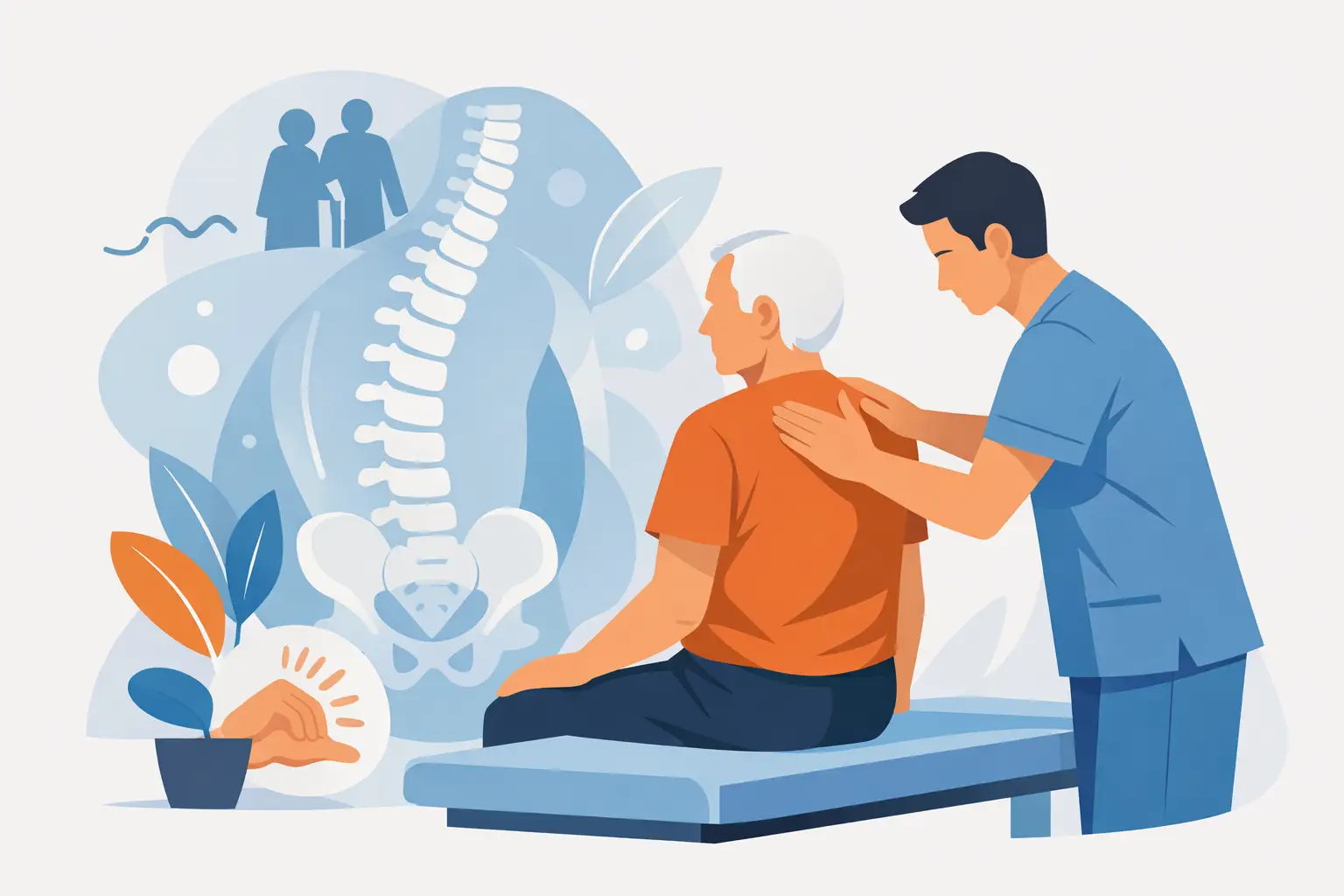
Getting out of a favorite chair should not require a plan. Neither should turning your head to back out of the driveway, carrying groceries, or taking a walk through the neighborhood. For many people, chiropractic care for older adults is less about chasing a perfect body and more about making everyday movement feel more comfortable, steady, and possible.
Aging can bring changes in strength, balance, joint motion, and recovery time. It can also bring more complicated health histories. That does not automatically rule out chiropractic treatment. It does mean care should be thoughtful, personalized, and based on what is safe for the individual in front of the doctor.
Why Movement Can Feel Different With Age
Stiffness is common, but it is not always something a person simply has to accept. Years of work, sports, caregiving, previous injuries, arthritis, or long periods of sitting can all affect how the back, neck, hips, shoulders, and knees move. A small loss of motion in one area may lead the body to compensate somewhere else.
For example, a person with a stiff mid-back may begin rotating more through the neck. Someone with low back discomfort may avoid walking, which can gradually reduce leg strength and confidence. These patterns can affect daily life long before they become a major injury.
Older adults also may be managing several concerns at once, such as joint pain, reduced balance, sleep disruption, headaches, or soreness after gardening. A careful chiropractor looks at the full picture rather than treating one painful spot in isolation.
What Chiropractic Care for Older Adults May Address
Chiropractic care can be a non-surgical option for certain musculoskeletal concerns, particularly when pain or stiffness is affecting normal activities. The goal is often to reduce irritation, improve comfortable movement, and help patients return to the routines that matter to them.
Common reasons older adults seek care include low back pain, neck pain, shoulder or hip stiffness, headaches connected to muscle tension, and restricted movement after a strain or minor injury. Some people also seek care when they notice that ordinary tasks now take more effort, such as reaching overhead, standing up from a seated position, or looking over a shoulder while driving.
Results vary. Chiropractic care is not a cure for every source of pain, and it should not replace appropriate medical evaluation for conditions that need medical or surgical treatment. Still, for many people with mechanical pain or limited movement, a conservative care plan may be a reasonable place to start.
A Safer Approach Starts With a Thorough Conversation
The first visit should not feel rushed. Before recommending care, the chiropractor needs to understand the patient’s symptoms, health history, medications, previous surgeries, activity level, and goals. That information helps guide decisions about whether chiropractic treatment is appropriate and what techniques may be suitable.
Older adults should be ready to discuss diagnoses such as osteoporosis, inflammatory arthritis, cancer history, circulation concerns, spinal surgery, or neurologic conditions. Blood-thinning medications, recent falls, unexplained weight loss, fever, and new or worsening weakness are also important to mention. In some situations, the right next step may be imaging, communication with a primary care provider or specialist, or a referral rather than chiropractic treatment.
This is not a barrier to good care. It is part of good care. Personalized treatment means knowing when to use gentle hands-on care, when to modify an approach, and when another provider should be involved.
Gentle Does Not Mean One-Size-Fits-All
Some people associate chiropractic care only with forceful adjustments. In reality, techniques can be adapted to a person’s comfort, health status, and physical condition. Depending on the evaluation, care may include gentle mobilization, low-force instrument-assisted techniques, soft-tissue work, guided movement, posture guidance, or home recommendations.
The right approach depends on the person. An active 68-year-old with mild low back stiffness after hiking may need something very different from an 82-year-old with osteoporosis and a history of falls. Age alone does not determine care, but bone health, stability, medical history, and current symptoms should always shape the plan.
At Summit Chiropractic & Massage, personalized care can also include massage-centered therapeutic support when appropriate. Massage may help address muscle tightness and soreness that contribute to restricted movement, while chiropractic treatment focuses on joint function and musculoskeletal mechanics. The combination should be tailored, not assumed.
What to Expect During a Visit
A visit commonly begins with questions about where symptoms occur, what movements aggravate them, and how the issue affects daily life. The doctor may assess posture, range of motion, strength, walking patterns, and areas of tenderness. This examination helps identify whether the concern appears musculoskeletal and whether conservative care is a good fit.
If treatment is recommended, the doctor should explain what they are doing and why. Patients should feel comfortable asking questions about the expected benefits, possible soreness, alternatives, and how progress will be measured. A good plan has clear goals, such as walking farther with less discomfort, sleeping more comfortably, turning the head more easily, or returning to a regular exercise class.
Short-term soreness can occur after hands-on treatment, much like it can after an unfamiliar activity. However, severe pain, dizziness, new numbness, weakness, loss of coordination, or other unusual symptoms should be reported promptly. A patient should never feel pressured to continue a treatment that does not feel right or has not been clearly explained.
Progress Is More Than a Pain Score
Pain relief matters, but it is only one measure of progress. For older adults, meaningful improvement may look like getting dressed without help, feeling more secure on stairs, cooking a meal without needing to rest, or getting back to a morning walk.
Care plans often work best when hands-on treatment is paired with realistic movement habits. That may mean gentle mobility exercises, regular walking, simple strength work recommended by an appropriate provider, pacing heavier tasks, or adjusting how a person sits, lifts, gardens, or sleeps. Small changes done consistently are often more useful than an ambitious plan that is difficult to maintain.
It also helps to set expectations early. Long-standing arthritis or degenerative changes may not disappear, but symptoms and function can sometimes improve with conservative care, activity modification, and regular reassessment. If progress stalls, the plan should be reconsidered rather than repeated without purpose.
When to Seek Medical Attention First
Back or neck discomfort is often related to muscles and joints, but certain symptoms need timely medical evaluation. Seek urgent medical care for sudden severe pain after a fall or accident, chest pain, trouble breathing, loss of bowel or bladder control, new weakness, facial drooping, difficulty speaking, or numbness that is rapidly worsening.
A new headache that is severe, unusual, or accompanied by confusion, vision changes, weakness, or balance problems also deserves immediate medical attention. These symptoms are not routine chiropractic concerns. Prompt evaluation helps protect a patient’s health and ensures the right care happens at the right time.
Choosing Care That Respects Your Goals
The best care plan is one that fits real life. Some patients want to keep golfing, gardening, traveling, or playing with grandchildren. Others simply want to move around the home with less discomfort and more confidence. Both goals are worthwhile, and both deserve a clinician who listens.
If you are considering chiropractic care, bring a current medication list, any relevant imaging or medical records, and a clear description of what you would most like to do more comfortably. A thoughtful conversation is the first step toward care that supports your mobility, independence, and quality of life.