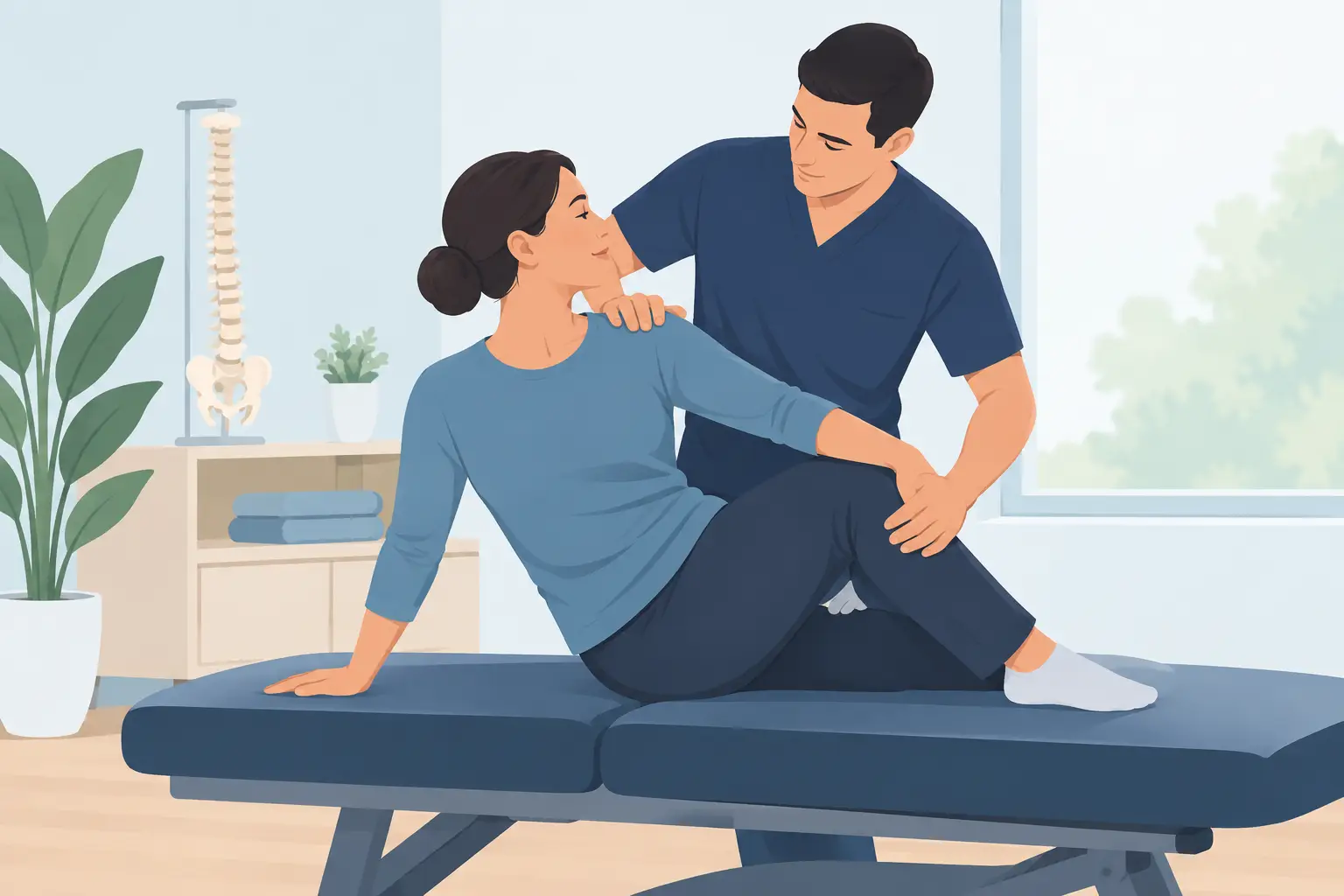
A stiff back that makes it hard to get out of the car. A neck that will not turn comfortably when you check traffic. A painful shoulder that changes how you reach, sleep, or carry groceries. Limited mobility often shows up in these everyday moments long before it feels like a major problem. Chiropractic care for limited mobility can be a practical option when joint restriction, muscle tension, pain, or movement habits are making daily life harder.
The goal is not to force the body into positions it is not ready for. It is to understand why movement has become difficult, reduce the barriers that can be addressed through conservative care, and help you move with greater comfort and confidence.
What Limited Mobility Can Look Like
Limited mobility does not always mean you cannot move. More often, it means your usual range of motion has narrowed or certain movements cause pain, guarding, or hesitation. You may notice it when bending to put on shoes, looking over your shoulder, standing after sitting at a desk, walking farther than usual, or returning to exercise after an injury.
Common contributors include muscle tightness, irritated joints, repetitive work positions, an old injury, poor recovery after activity, and the natural changes that can come with aging. Back pain, neck pain, headaches, hip discomfort, and shoulder restrictions can all affect the way a person moves.
Pain can also create a frustrating cycle. When something hurts, it is natural to avoid moving it. Over time, that avoidance may lead to more stiffness, weaker supporting muscles, and less confidence in normal movement. The right next step depends on the cause, the severity of symptoms, and your overall health history.
How Chiropractic Care for Limited Mobility May Help
Chiropractic care focuses on the relationship between the spine, joints, muscles, and movement. After an evaluation, a chiropractor may use hands-on chiropractic adjustments or other manual approaches to address restricted joint motion and help reduce discomfort. For some patients, this can make it easier to begin moving more normally again.
Care may also include massage-centered therapeutic support when muscle tension is contributing to restricted movement. Tight muscles can pull on surrounding joints and make a simple movement feel difficult or painful. Massage can help relax overworked tissues, while chiropractic treatment may address joint restrictions that are part of the same pattern.
Neither service should be treated as a one-size-fits-all fix. A person with recent neck strain from a car accident needs a different approach than an older adult whose low back stiffness has built up gradually over several years. A runner returning from an injury may need different guidance than someone whose work requires long hours at a computer.
At Summit Chiropractic & Massage, care is built around the individual patient, including their symptoms, movement goals, health history, and comfort level with treatment. That may mean a plan focused first on easing pain, followed by care that supports better movement and more sustainable daily habits.
Your First Visit Should Start With Answers
A thoughtful evaluation matters when mobility is limited. Before treatment begins, your chiropractor should ask about where you feel pain or stiffness, when it started, what makes it worse or better, previous injuries, work demands, activity level, and any relevant health conditions.
The physical exam may include observing posture, checking range of motion, assessing areas of tenderness, and evaluating how your spine and joints move. This helps identify patterns that may be contributing to your symptoms. It also helps determine whether chiropractic care is appropriate or whether another provider or type of evaluation is needed first.
Good care includes clear communication. You should understand what the clinician is treating, what techniques may be used, what you may feel after treatment, and what realistic progress could look like. Some people notice early relief after a visit, while others improve gradually as pain settles and movement becomes easier. Results vary, especially when symptoms have been present for a long time.
Movement Is Part of the Plan
Hands-on care can be useful, but lasting mobility often requires attention between appointments as well. That does not necessarily mean an intense exercise program. When a body is painful or guarded, the most helpful place to start may be gentle, consistent movement that feels manageable.
Your chiropractor may recommend changes such as taking regular movement breaks during desk work, adjusting how you lift or carry, using simple mobility exercises, or temporarily modifying an activity that repeatedly aggravates symptoms. The best recommendation is one you can realistically use at home, at work, or in the gym.
For example, someone with lower back stiffness after long periods of sitting may benefit from short walks and position changes throughout the day. Someone with neck restriction may need to look at workstation setup, phone use, sleep position, and upper-back mobility. These small adjustments do not replace clinical care when it is needed, but they can help protect the progress made during treatment.
When to Be Careful About New Mobility Problems
Not every loss of mobility is appropriate for chiropractic treatment. Sudden or severe symptoms may need prompt medical attention, particularly after a major fall, collision, or other trauma. New weakness, numbness that is spreading, loss of balance, unexplained fever, loss of bowel or bladder control, or severe pain that does not improve should be evaluated promptly by a medical professional.
It is also wise to speak up about osteoporosis, prior spinal surgery, inflammatory conditions, blood-thinning medication, cancer history, or any major change in health. These factors do not automatically rule out chiropractic care, but they can affect which approaches are appropriate.
An experienced chiropractor should never treat around concerns without discussing them. Referring a patient for imaging, medical evaluation, or care from another provider can be an important part of patient-centered care.
What Progress Can Feel Like
Improvement is not always dramatic from one appointment to the next. Often, progress looks like getting out of bed with less stiffness, turning your head more comfortably while driving, taking a longer walk, returning to a favorite workout, or making it through a workday with fewer painful interruptions.
Mobility also has a confidence component. After pain or injury, many people stop trusting their body. As symptoms improve and movement becomes more comfortable, they may be able to resume the activities that support their independence, work, family responsibilities, and well-being.
If limited mobility is changing how you live, you do not have to wait until the problem becomes more disruptive. A personalized chiropractic evaluation can help clarify what may be contributing to your symptoms and whether conservative, hands-on care is a good fit. The most useful plan is the one that helps you take the next comfortable step toward moving through your day with less restriction.