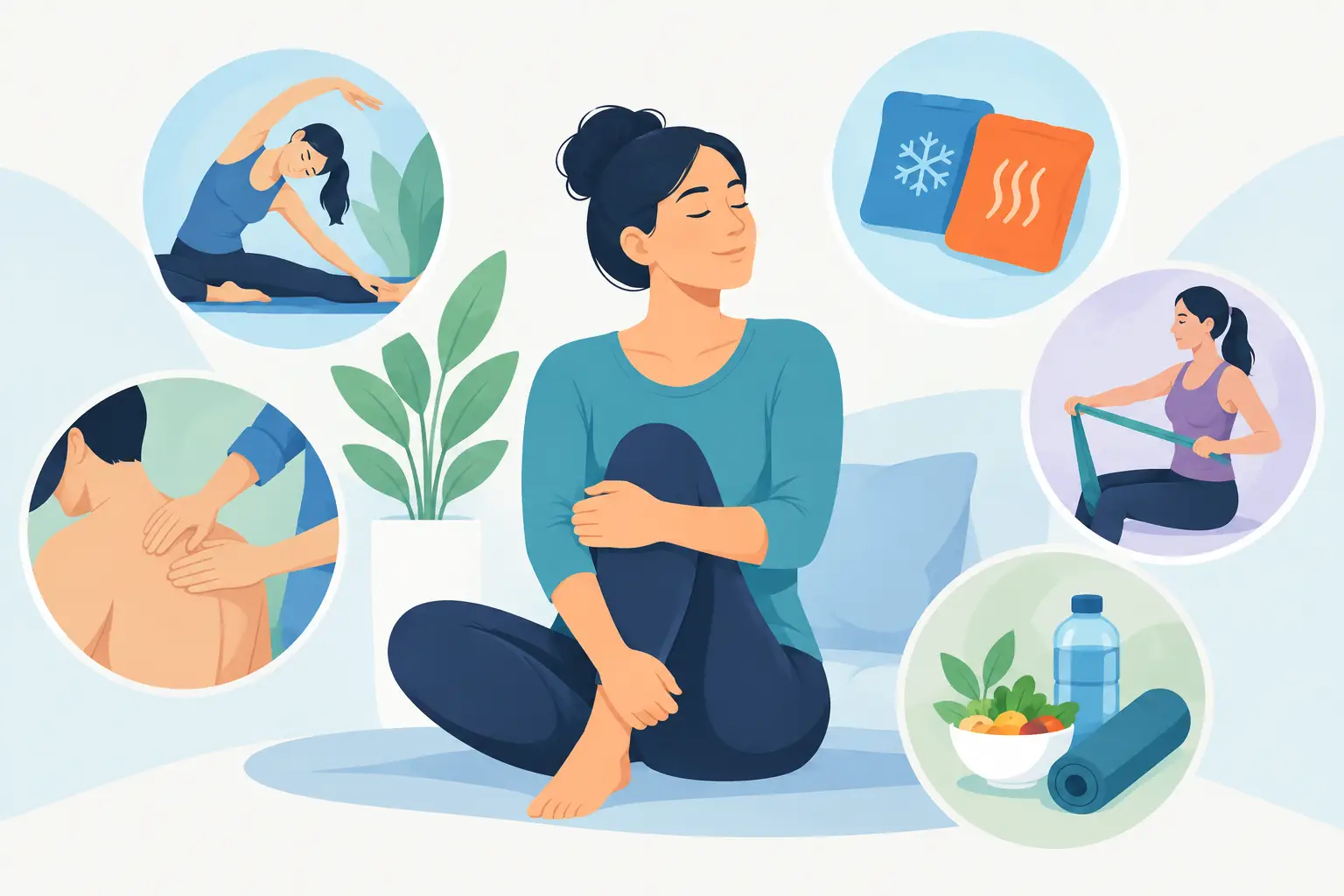
A stiff neck that makes checking traffic uncomfortable, low back pain after a day at your desk, or headaches that arrive after tense weeks can make ordinary routines feel much harder than they should. The best non surgical pain treatments are not necessarily the quickest or most dramatic option. They are the approaches that match the source of your discomfort, help you move with greater confidence, and fit into the life you need to get back to.
For many people, pain is not caused by one single event. It can build after repetitive work, long periods of sitting, an old injury, a demanding workout, poor sleep, or the physical demands of parenting and daily life. A thoughtful, non-invasive treatment plan looks beyond the painful area and considers how your body is moving as a whole.
What Are the Best Non Surgical Pain Treatments?
Non-surgical care can be highly effective for many musculoskeletal concerns, including back pain, neck pain, headaches, joint stiffness, and movement limitations. The right option depends on your symptoms, health history, activity level, and goals. Someone recovering from a car accident may need a different approach than an active adult with shoulder tightness or a professional whose low back pain worsens after sitting all day.
The strongest plans are usually not built around a single treatment. They combine hands-on care, movement support, and practical changes that help reduce the stress that keeps pain returning. The goal is not simply to get through the day with less discomfort. It is to help you work, exercise, sleep, care for your family, and enjoy everyday movement more comfortably.
Chiropractic Care for Joint Movement and Function
Chiropractic care focuses on the relationship between the spine, joints, muscles, and nervous system. When joints are restricted or not moving well, nearby muscles may tighten to compensate. That can contribute to pain, stiffness, limited range of motion, and strain in other parts of the body.
A chiropractor may use gentle, controlled adjustments or mobilization techniques to improve joint movement. For patients with back pain, neck pain, or certain headache patterns, restoring more comfortable motion can be an important part of recovery. Treatment is personalized, and techniques can be adapted to your comfort level, condition, and health needs.
Chiropractic care is often most helpful when paired with clear guidance about posture, daily movement, stretching, and activities that may need to be temporarily modified. If lifting, turning your head, or getting out of a chair causes pain, the way you move matters just as much as the treatment you receive in the office.
Therapeutic Massage for Muscle Tension
Muscle tension can be both a result of pain and a reason it lingers. When an area hurts, people naturally guard it. Over time, that protective pattern can leave muscles feeling tight, sore, fatigued, or tender to the touch.
Therapeutic massage can help address tight muscles and soft-tissue restrictions that affect comfort and mobility. It may be useful for neck and shoulder tension, low back tightness, post-workout soreness, and the muscle strain that often follows an injury. Massage also gives your body a chance to relax out of the tense, guarded patterns that can make movement feel difficult.
The right pressure and approach vary from person to person. More pressure is not always better, especially after a recent injury or when tissues are highly irritated. Effective massage should feel purposeful and appropriate for where you are in recovery, not like something you have to endure.
Active Rehabilitation and Targeted Exercise
Rest can be useful after a flare-up or injury, but too much inactivity can lead to more stiffness and loss of strength. Targeted movement is often one of the best long-term non-surgical tools for pain that involves the back, neck, hips, shoulders, or other joints.
This does not mean pushing through sharp pain or starting an intense workout before your body is ready. It may mean simple exercises that restore mobility, strengthen supporting muscles, and help you return to normal tasks gradually. A person with low back pain may benefit from core and hip support work, while someone with recurring neck discomfort may need exercises that improve upper-back strength and shoulder positioning.
Consistency matters more than intensity. A realistic plan you can follow several times each week is more valuable than a complicated routine that does not fit your schedule.
Heat, Cold, and Everyday Pain Management
At-home care can support professional treatment, especially between visits. Cold may help during the early stage of a fresh strain or after activity when an area feels swollen or irritated. Heat may be more comfortable for ongoing muscle tightness and stiffness. Neither works perfectly for every person, so your response is a useful guide.
Gentle walking, position changes, supportive sleep habits, and brief stretching breaks can also make a meaningful difference. If your pain worsens after prolonged sitting, for example, standing up and moving for a few minutes each hour may be more helpful than waiting until the end of the workday to address it.
Over-the-counter pain medicine may be appropriate for some people, but it is not the right choice for everyone. Follow label directions and speak with a physician or pharmacist if you have medical conditions, take other medications, are pregnant, or have questions about safe use.
Choosing Non Surgical Pain Treatment That Fits You
The most effective care begins with a clear understanding of what is happening. Pain can travel. A problem in the neck may contribute to headaches, and limited hip movement can add stress to the low back. An evaluation helps identify patterns in your posture, movement, daily activities, and areas of tension or restriction.
It also helps set realistic expectations. Some people notice relief quickly, while others improve gradually over several visits as mobility, muscle function, and movement habits change. Chronic discomfort that has been present for months or years often requires patience and a steady plan. The aim is meaningful progress, not a one-size-fits-all timeline.
A personalized plan may include chiropractic care, massage therapy, home exercises, and recommendations for adjusting daily activities. At Summit Chiropractic & Massage, care is centered on understanding your goals, whether that means returning to the gym, working more comfortably, picking up your child without hesitation, or simply waking up with less stiffness.
When Pain Needs Medical Evaluation First
Non-surgical treatment is appropriate for many common musculoskeletal concerns, but some symptoms need prompt medical attention. Seek urgent care for severe pain after a significant fall or accident, new weakness or numbness, loss of bladder or bowel control, unexplained fever, chest pain, or pain accompanied by shortness of breath. These symptoms can point to conditions that require immediate evaluation.
It is also wise to speak with a medical provider when pain is steadily worsening, wakes you consistently at night, is unexplained, or does not improve as expected. Good care includes knowing when conservative treatment is the right path and when another type of assessment is needed.
Pain does not have to become the routine you plan your life around. With a careful evaluation, hands-on support, and a practical plan for movement, many people can take a meaningful step toward feeling more comfortable in their bodies again.