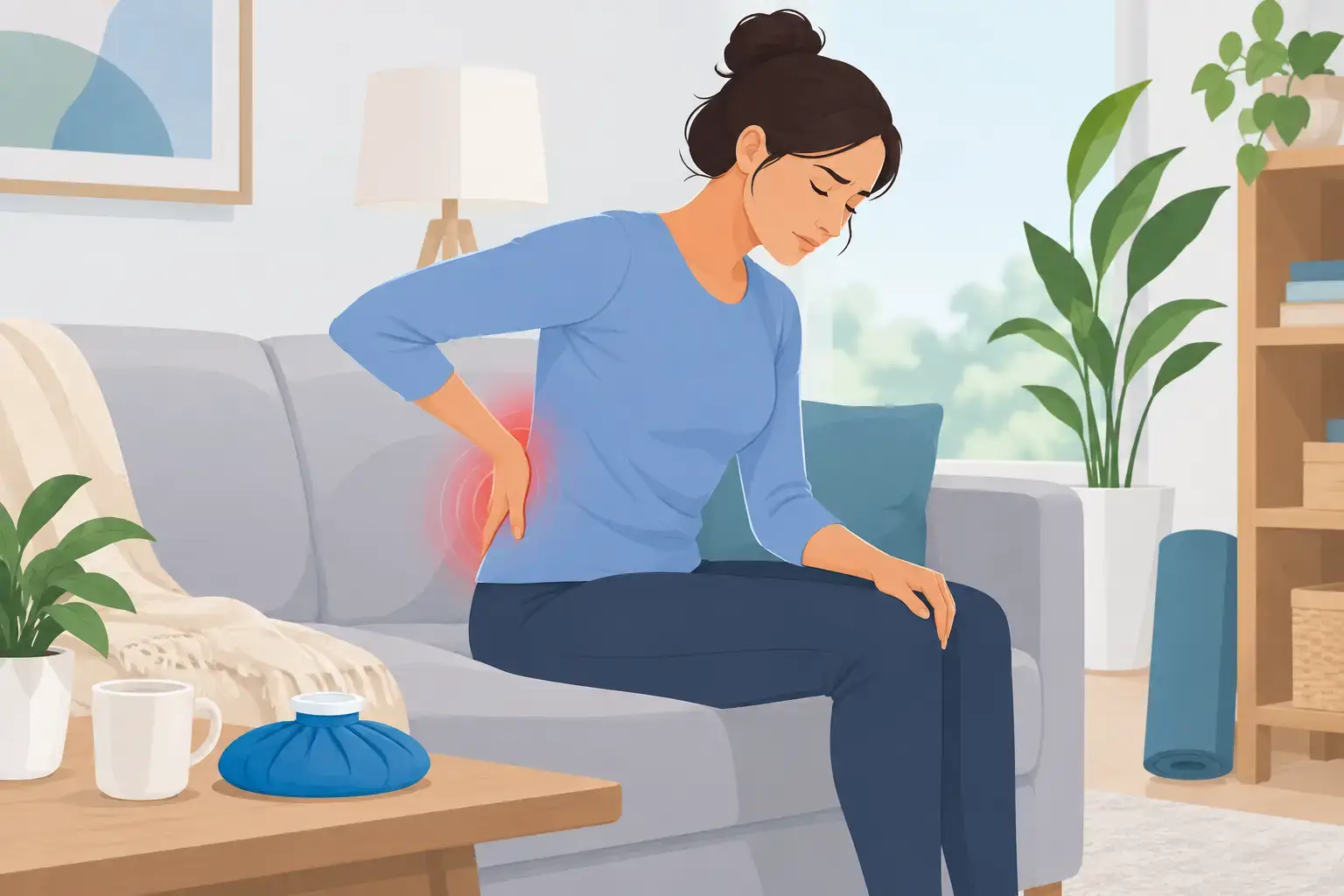
A back pain flareup can turn an ordinary morning into a day spent carefully measuring every step. Maybe you bent to load the dishwasher, sat through a long meeting, lifted a child, or woke up stiff after a restless night. When pain suddenly becomes sharper or more limiting, knowing how to manage back pain flareups can help you protect your comfort, stay calm, and make thoughtful decisions about what to do next.
The goal is not to force your way through severe pain or remain completely still for days. Most flareups respond best to a balanced approach: reduce the activities that aggravate symptoms, keep the body moving gently, and seek professional guidance when pain is persistent, recurring, or affecting daily life.
Start by dialing down the aggravating activity
A flareup does not always mean you have caused serious damage. Back pain often becomes more noticeable when tired muscles, irritated joints, or sensitive tissues are asked to do more than they are ready for. The helpful response is to modify the trigger, not necessarily stop all activity.
For a day or two, avoid the movement that clearly increases your pain. That may mean postponing heavy lifting, repeated bending, twisting while carrying groceries, or an intense workout. If you need to lift something, keep it close to your body and use your legs rather than bending and reaching from the waist.
At the same time, try not to settle into one position for hours. Long periods on the couch or in bed can leave the back feeling tighter and more guarded. Change positions regularly, use supportive seating, and break up sitting with short, comfortable walks around the house or office.
Use heat or ice based on what feels better
Both heat and ice can be useful tools during a back pain flareup, but the best choice depends on your symptoms. Ice may feel soothing when pain is new, sharp, or connected to a recent strain. A cold pack wrapped in a thin towel can be applied for about 15 to 20 minutes at a time.
Heat is often preferred for stiffness, muscle tightness, and an aching back that feels worse after sitting or sleeping. A heating pad, warm shower, or warm compress can help muscles relax before gentle movement. Do not sleep on a heating pad or use either heat or ice directly on bare skin.
You do not need to choose the “perfect” option. Pay attention to your response. If heat helps you move more comfortably, use heat. If cold settles an irritated area, use cold. Stop if either option makes your symptoms worse.
Keep movement gentle and purposeful
During a flareup, movement should feel controlled, not like a test of toughness. Short walks are often one of the simplest ways to prevent stiffness from building. Start with a few minutes on level ground and increase only if it does not cause a meaningful rise in pain during or after the walk.
Gentle movements can also help you reconnect with your usual range of motion. Lying on your back with knees bent and slowly rocking your pelvis, bringing one knee toward your chest without forcing it, or taking a comfortable walk may be appropriate for some people. The right movement varies based on your condition, injury history, and where your pain is located.
A useful guideline is to avoid sharp, shooting, or steadily worsening pain. Mild stiffness or a brief feeling of tension can be normal when returning to movement. Pain that travels down the leg, causes numbness, or becomes more intense should not be pushed through.
Pacing protects progress
Many flareups are prolonged by the “all or nothing” cycle. On a better day, you catch up on chores, exercise hard, or spend hours gardening. The next day, your back feels worse, so you rest completely. A more sustainable approach is pacing.
Break demanding tasks into smaller pieces. Instead of cleaning the entire garage, work for a short period, change positions, and take a movement break. Instead of one long workout, consider several shorter walks. This can feel slow at first, but it often helps you return to normal activity with fewer setbacks.
Make daily positions work for your back
Everyday routines can either calm a flareup or keep feeding it. A few small adjustments can reduce unnecessary strain while your back settles.
When sitting, place both feet on the floor and avoid staying twisted toward a screen or phone. If your chair leaves you slouched, a small cushion or rolled towel at the low back may provide support. Get up regularly, especially during computer work or long drives.
When sleeping, focus on comfort and alignment rather than finding a single perfect mattress or position. Some people feel better on their side with a pillow between their knees. Others prefer lying on their back with a pillow under the knees. If a position consistently increases pain, adjust it rather than trying to tolerate it all night.
Stress can also make a flareup feel bigger. When the body is tense, muscles often stay guarded, sleep becomes less restorative, and pain can be harder to manage. Slow breathing, a warm shower, a brief walk, or a few quiet minutes away from screens can support recovery alongside physical care.
Know when back pain needs prompt attention
Most common back pain flareups improve with sensible self-care and professional treatment when needed. Certain symptoms, however, deserve urgent medical evaluation. Seek immediate care if back pain follows a significant fall, accident, or other trauma, or if it occurs with fever, unexplained weight loss, or severe pain that does not ease with rest.
You should also seek urgent medical attention for new bowel or bladder changes, numbness in the groin or inner thighs, increasing leg weakness, or pain with severe numbness or tingling. These symptoms can point to conditions that need a medical assessment right away.
If your pain is not urgent but keeps returning, lasts longer than expected, disrupts sleep, or limits work, exercise, and family activities, it is worth getting a personalized evaluation. Recurrent flareups often have patterns. The way you sit, lift, train, recover from an injury, or compensate for limited mobility can all play a role.
Get care that looks beyond the flareup
Pain relief matters, especially when a flareup is disrupting your life. But lasting improvement often comes from understanding why your back becomes irritated and building a plan that fits your body and routine.
Chiropractic care may help address restricted movement, joint irritation, and muscle tension through hands-on treatment tailored to your needs. Massage therapy can complement that care by supporting muscle relaxation and mobility. Depending on your symptoms, a care plan may also include practical guidance for posture, movement, work habits, exercise, and recovery.
At Summit Chiropractic & Massage, care is personalized rather than based on a one-size-fits-all routine. A thorough conversation about your symptoms, daily activities, and health history helps determine what care is appropriate and what changes may help reduce future setbacks.
A flareup is useful information
Back pain can be frustrating, particularly when it interrupts work, parenting, exercise, or a good night’s sleep. Still, a flareup can be a signal to slow down, notice what your body has been managing, and make room for the right support. Gentle movement, thoughtful pacing, and personalized care can help you move forward with more confidence and comfort.