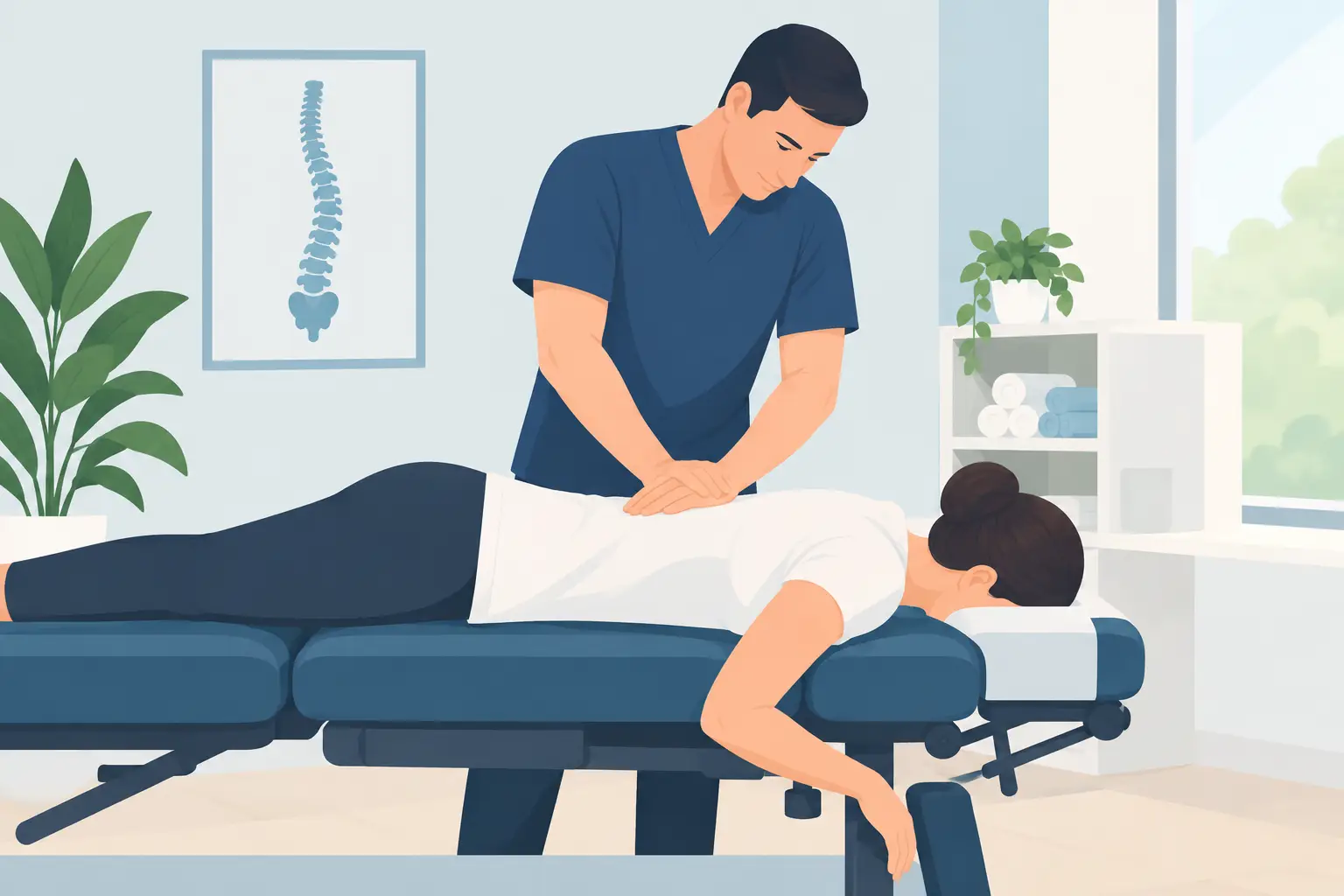
A stiff neck that makes checking your blind spot difficult, low back pain after a long day at your desk, or a headache that keeps returning can make ordinary routines feel much harder. Knowing when to see a chiropractor can help you address musculoskeletal pain and limited movement before they take more time away from work, exercise, sleep, and family life.
Chiropractic care is a hands-on, non-surgical approach to concerns involving the spine, joints, muscles, and movement. It is not only for severe pain or a recent accident. Many people seek care when discomfort has started to interfere with daily activities, while others come in after an injury or when they notice their mobility is gradually declining.
When to See a Chiropractor for Back or Neck Pain
Back and neck pain are among the most common reasons to schedule a chiropractic visit. You do not need to wait until you can barely get out of bed. If pain persists beyond a few days, continues to return, or changes how you move through your day, it is reasonable to have it evaluated.
For example, you may wake up with a sore neck after sleeping in an awkward position, or notice that your low back tightens every afternoon while sitting at work. A weekend of gardening, lifting boxes, carrying a child, or trying a new workout can also leave joints and muscles feeling strained. In these situations, chiropractic care may help reduce discomfort, improve movement, and identify habits that may be contributing to the problem.
Pain does not have to be intense to deserve attention. Mild stiffness that keeps you from turning your head fully, bending to tie your shoes, or comfortably getting in and out of the car can affect the way your body moves. Over time, compensating for one painful area can place added stress on another.
Signs It Is Time to Make an Appointment
Consider a chiropractic evaluation if you have pain or stiffness that is lasting, recurring, or limiting your normal routine. Common concerns include low back pain, upper back tension, neck discomfort, pain between the shoulders, and reduced range of motion.
It can also be helpful to seek care when you find yourself regularly relying on heat, over-the-counter pain relievers, or avoiding activities you normally enjoy. Those measures may provide temporary comfort, but they do not always address the movement restrictions or physical strain behind the symptoms.
Headaches That May Be Connected to Tension and Movement
Not every headache has the same cause, and headaches should be taken seriously when they are new, severe, or changing. However, some headaches are associated with muscle tension, poor posture, neck stiffness, or reduced motion in the upper back and neck.
If headaches tend to begin after long periods at a computer, driving, looking down at a phone, or carrying stress in your shoulders, an assessment may be worthwhile. A chiropractor can evaluate how your posture, neck movement, and muscle tension may be affecting your symptoms. Care may include chiropractic treatment along with recommendations for movement, ergonomics, and supportive massage therapy when appropriate.
The goal is not simply to get through the next headache. It is to understand patterns that may be contributing to recurring discomfort and create a care plan that fits your needs.
After a Car Accident, Sports Injury, or Everyday Strain
A clear injury is another reason to consider chiropractic care. Car accidents, sports injuries, falls, and work-related strain can affect the body even when symptoms seem minor at first. Adrenaline can mask discomfort immediately after an incident, and soreness or stiffness may develop over the next day or two.
Whiplash-related neck pain after a motor vehicle accident is a common example. You may experience neck stiffness, shoulder pain, headaches, reduced ability to turn your head, or pain that feels worse after resting. Prompt evaluation can help document your symptoms and guide an appropriate course of care.
Sports and exercise injuries can look different. A runner may develop hip or low back tightness, while a golfer may feel discomfort through the mid-back or shoulders. Weight training, pickleball, yard work, and home projects can all place unfamiliar demands on the body. The right next step depends on the injury, your health history, and the severity of symptoms, but continuing to push through pain is not always the best answer.
At Summit Chiropractic & Massage, care is personalized to the individual rather than based on a one-size-fits-all treatment schedule. That matters after an injury, because a desk worker with neck pain and an active adult recovering from a lifting strain may need different approaches, pacing, and goals.
When Stiffness and Limited Mobility Are the Main Problem
Pain gets attention, but loss of mobility can be just as disruptive. Perhaps you are not in severe pain, yet your body feels less capable than it used to. You may have trouble rotating your torso, reaching overhead, squatting comfortably, or walking after sitting for too long.
Restricted movement can develop gradually from repetitive work positions, old injuries, inactivity, arthritis-related changes, or the physical demands of caring for others. Chiropractic care may be appropriate when you want to move more comfortably and safely, especially if stiffness is affecting your ability to stay active.
Treatment may involve more than an adjustment. Depending on your needs, a plan may include soft-tissue work, massage, guided movement advice, and practical recommendations for daily activities. A thoughtful plan should focus on both symptom relief and the functional goals that matter to you, whether that is returning to the gym, sleeping better, lifting your grandchild, or making it through a workday with less discomfort.
What to Expect at Your First Visit
First-time patients often wonder whether chiropractic care will be uncomfortable or whether they need to know exactly what is wrong before scheduling. You do not need to arrive with all the answers. Your provider should start by listening to your concerns, reviewing your health history, and discussing what makes symptoms better or worse.
A chiropractic examination may include checking your posture, range of motion, areas of tenderness, and how your joints and muscles are functioning. Your doctor will consider whether chiropractic care is appropriate for your situation and discuss recommendations based on your findings and goals.
Some people feel improvement quickly, while others need time and a series of visits to see meaningful changes. The timeline depends on the nature of the problem, how long it has been present, your daily activities, and your overall health. A good care plan is clear about what it is trying to improve and is adjusted as your condition changes.
When Chiropractic Care Is Not the First Step
Chiropractic care can be a helpful option for many musculoskeletal concerns, but some symptoms need urgent medical evaluation. Seek emergency care right away for chest pain, trouble breathing, sudden weakness or numbness on one side of the body, difficulty speaking, fainting, or a sudden severe headache unlike any you have had before.
You should also seek prompt medical attention for loss of bowel or bladder control, numbness in the groin area, severe or worsening weakness in the arms or legs, high fever with significant neck stiffness, or severe pain after a major fall or accident. These symptoms can signal conditions that require immediate medical care.
For less urgent concerns, a chiropractor may still recommend that you see your primary care provider, a specialist, or another healthcare professional when your symptoms call for additional testing or a different type of treatment. That referral is part of patient-centered care, not a setback.
Choosing Care That Fits Your Life
The best time to seek help is often when pain, stiffness, or reduced movement starts changing what you can do. Waiting is not always harmful, and a brief, mild ache may settle with rest and simple self-care. But recurring symptoms, an injury, or a gradual loss of mobility deserve a closer look.
You do not have to accept discomfort as the cost of a busy job, an active household, getting older, or staying active. A personal evaluation can provide a clearer path forward, with care centered on helping you move with greater comfort and confidence.